

Gold as Ornament
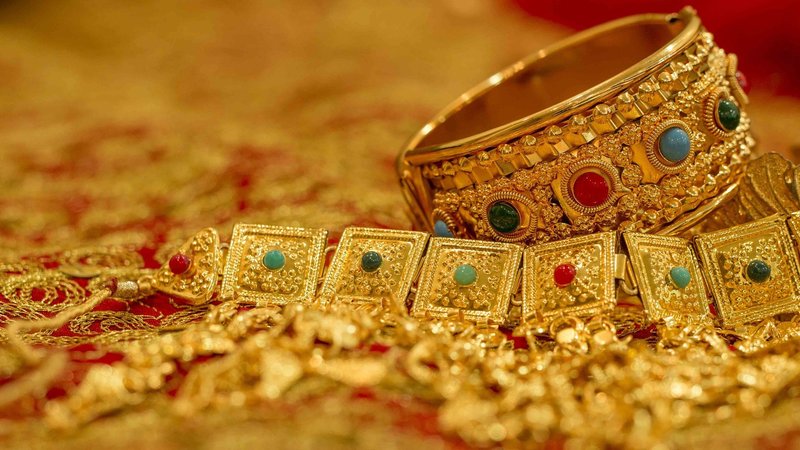
Since the dawn of civilization, gold has been humanity’s preferred medium for self-expression. More than a metal, it is woven into the fabric of culture, serving as the ultimate adornment to enhance beauty and signify grace. Its unique luster, resistance to tarnish, and extraordinary malleability have allowed artisans throughout history to craft ornaments that are not merely decorative, but deeply symbolic.
Identity and Status
Wearing gold has always been a powerful statement. From the heavy torcs of Celtic warriors to the intricate diadems of Roman empresses, gold ornaments have served as immediate markers of rank, power, and social identity. In many cultures, gold jewelry is not just an accessory; it is a wearable biography, indicating lineage, marital status, and community standing, passing heritage from one generation to the next.
The Art of Adornment
The transformation of raw bullion into delicate ornament is a testament to human ingenuity. Techniques such as filigree, granulation, and hammering transform the metal into light, wearable art. Gold adapts to the wearer, warming to the skin and reflecting light in a way that no other material can mimic. It is this intimacy between the metal and the body that makes gold the most personal and cherished of all possessions.
A Timeless Bond
Beyond aesthetics, gold ornaments carry an emotional weight that transcends their material value. An engagement ring, a family heirloom, or a celebratory gift—gold is the vessel for our most profound sentiments. It is chosen to mark the moments that matter because, like the memories it commemorates, gold is imperishable, enduring as a symbol of love and continuity across time.