
The Use of Gold Through the Millennia
Gold tells a 6,000-year-old story that has played a central role in the economy and in the intriguing and fascinating world of art and collecting. The importance of precious metals, and gold in particular, in human economic and artistic development has spread aggressively since ancient times.
Gold has always been a boast and a symbol of wealth, a precious Status Symbol capable of fascinating and astonishing. Besides being considered the safest investment par excellence, it is also an element of exclusivity found in collecting and in the works of great modern artists such as Pablo Picasso and Gustav Klimt.
Since the time of the Egyptians, gold was widely used to embellish the necropolises of the pharaohs; it is impossible not to mention the marvelous artifacts of Tutankhamun's tomb. Even the Etruscans and Romans, great goldsmith experts, used gold abundantly, especially during the imperial era in the artistic field.
Moving to the Middle Ages, it was the Byzantines who handed down a high production of gold artistic objects. Among these artifacts stands out the "Crux Vaticana" (or Cross of Justin II), preserved in the Treasury Museum of St. Peter's Basilica in the Vatican, traces of which can also be found in some Byzantine mosaics in Ravenna.
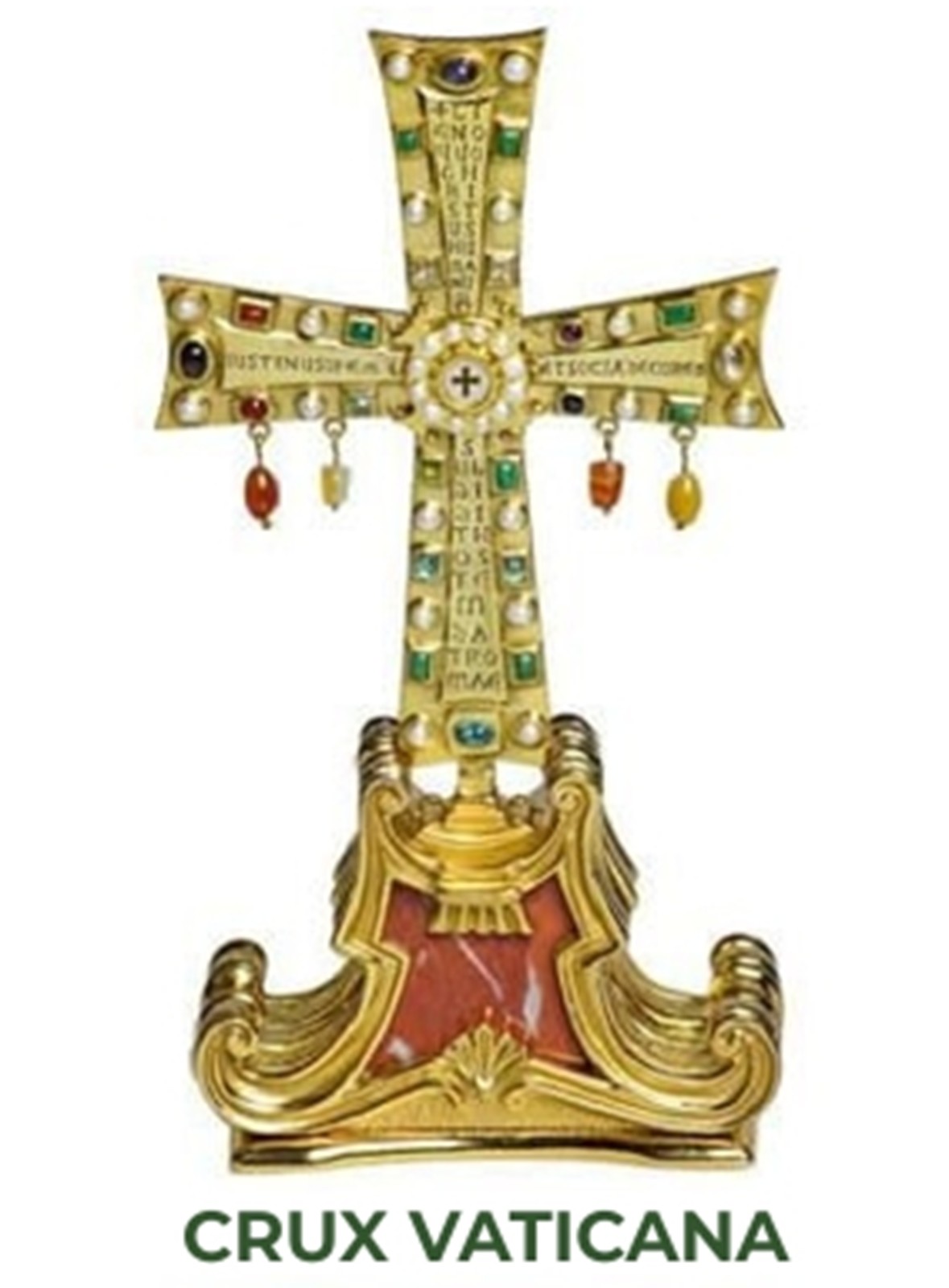 Crux Vaticana, Cross of Justin II - St. Peter's Treasury
Barbarian goldsmithing also flourished widely, while, moving to the modern age, in the Renaissance the union between figurative art and goldsmithing became increasingly tight. Gold was also a great protagonist in colonial times, with jewels adorning the courts of the high aristocracy, not to mention the immense artistic heritage linking gold to Christian religious art.
Eternal Faces and Modern Masters

Mycenae, 1876
Gold leaf funeral mask found by Heinrich Schliemann. It depicts a man with a beard and closed eyes.
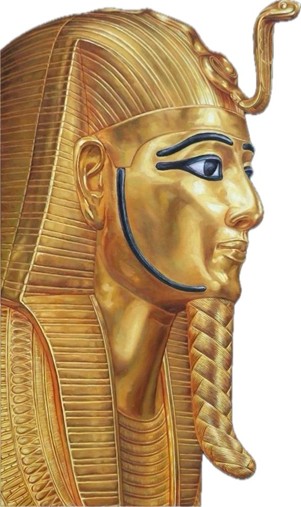
Tanis, 1940
The gold funeral mask of Pharaoh Psusennes I (21st Dynasty), discovered by Egyptologist Pierre Montet.
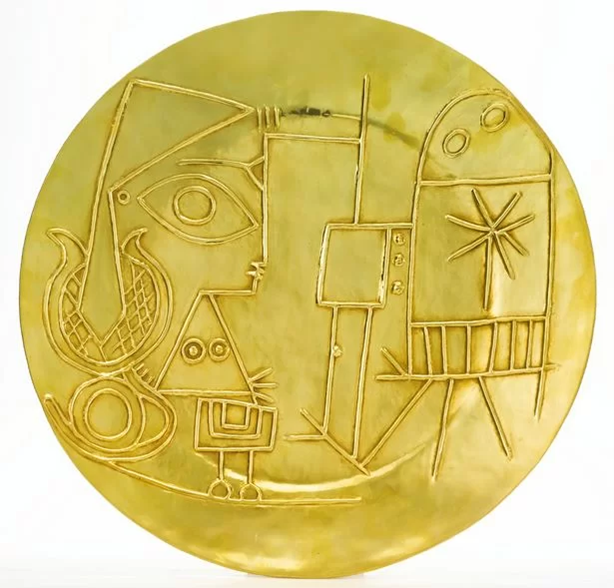
24k Gold Plate
Example of gold plates by master Pablo Picasso, auctioned at Sotheby’s in New York in 2014.
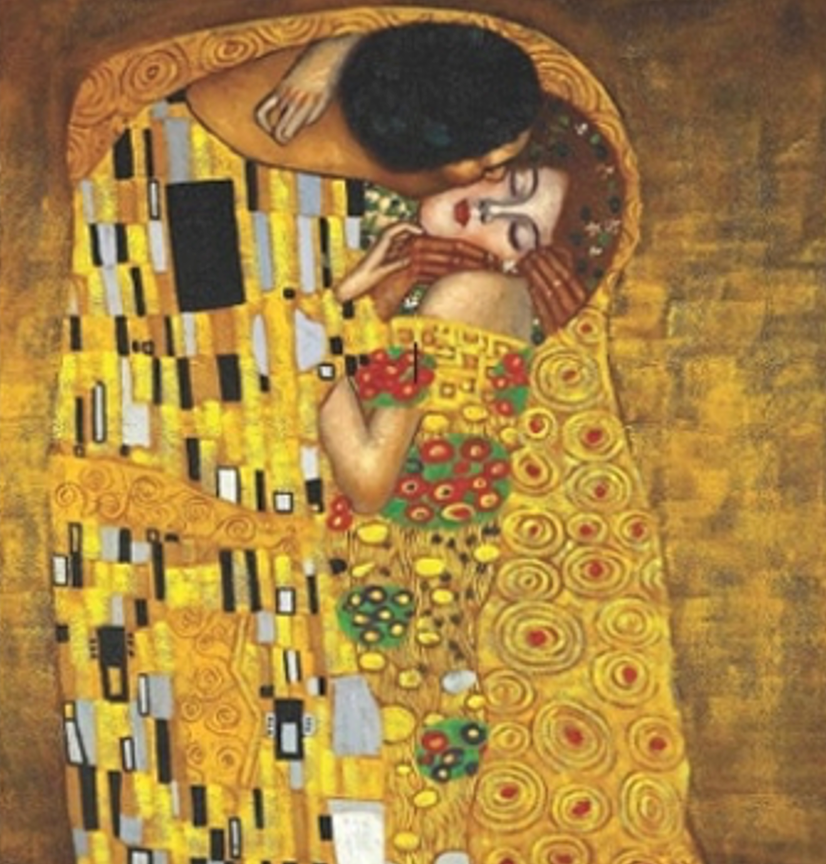
The Kiss (1907-08)
Oil on canvas with gold leaf, preserved in Vienna. The peak of Klimt's "Golden Period".
The Coin Par Excellence
Precious metals have always been associated with the concept of money. It was the Sumerians who first fixed the equivalent of individual objects or products in silver and gold with the silver pound (the mina) weighing 436 grams. For the ancient Hebrews, the shekel was indeed the fiftieth part of a mina.
In 550 BC, gold coinage had its true beginning with King Croesus, who minted the first pure gold coins.
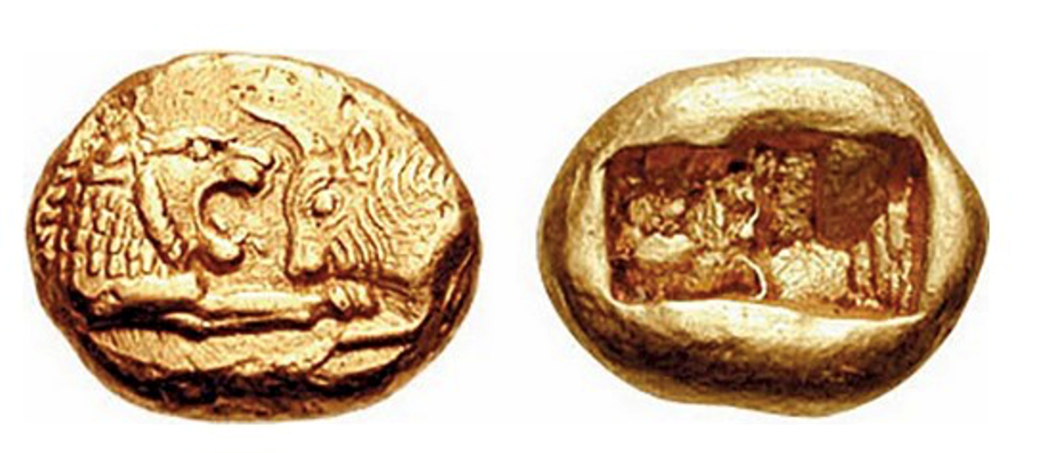 Coin of King Croesus (Lydia) - 6th Century BC
Thus, money began to replace barter and became the central point of the economy: the powerful means to facilitate trade and commerce worldwide. Gold became the universally recognized metal as an object of absolute value.
History also reminds us of famous episodes linked to the monetary value of precious metals: according to the Gospel of Matthew, the price of Jesus' betrayal was set at thirty shekels, equivalent to just over two hundred grams of silver.
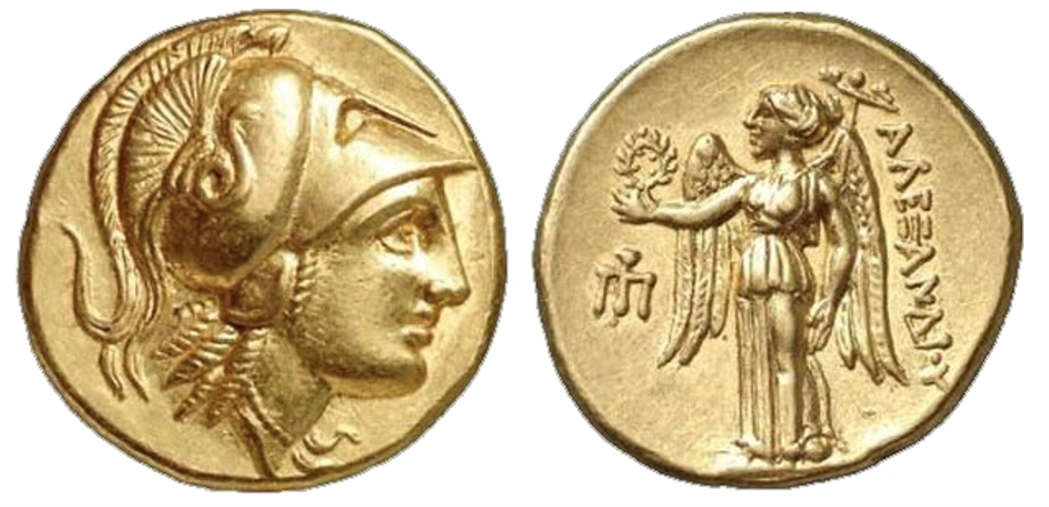 Coin of Alexander the Great (330-320 BC)