
Few materials have captured the human imagination and profoundly influenced artistic expression like gold. Far more than a mere pigment or decorative element, gold in art is a manifestation of light, divinity, and eternal value. Its incorruptible nature and unique luster have made it the medium of choice for artists seeking to transcend the mundane and connect with the sublime across millennia.
The Divine Radiance
In ancient civilizations and throughout the Middle Ages, gold was not just representational; it was considered the actual skin of the gods or the reflection of divine light. From the funerary masks of Egyptian pharaohs to the shimmering mosaics of Byzantine churches, gold backgrounds dissolved earthly space, transporting the viewer into a spiritual realm outside of time. It was used to halo saints and deities, signifying a sacred presence that earthly pigments could not capture.
A Symbol of Power and Prestige
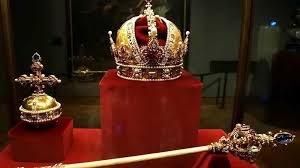
Beyond the sacred, gold has always been the ultimate signifier of earthly power. Monarchs and emperors commissioned artworks, jewelry, and architectural elements laden with gold to assert their status and authority. The decorative arts of the Baroque and Rococo periods used gilding exuberantly to create environments of overwhelming opulence, turning furniture and interiors into statements of absolute wealth and dominance.
Modern Interpretations
In modern and contemporary art, gold continues to fascinate, though its meaning has shifted. Artists like Gustav Klimt revived the use of gold leaf to create sensual, icon-like portraits that blend Art Nouveau decoration with psychological depth. Today, artists use gold to explore themes of value, materiality, and commodity culture, challenging our perceptions of what is truly precious in an age of mass production.